Biography
Charles Babbage
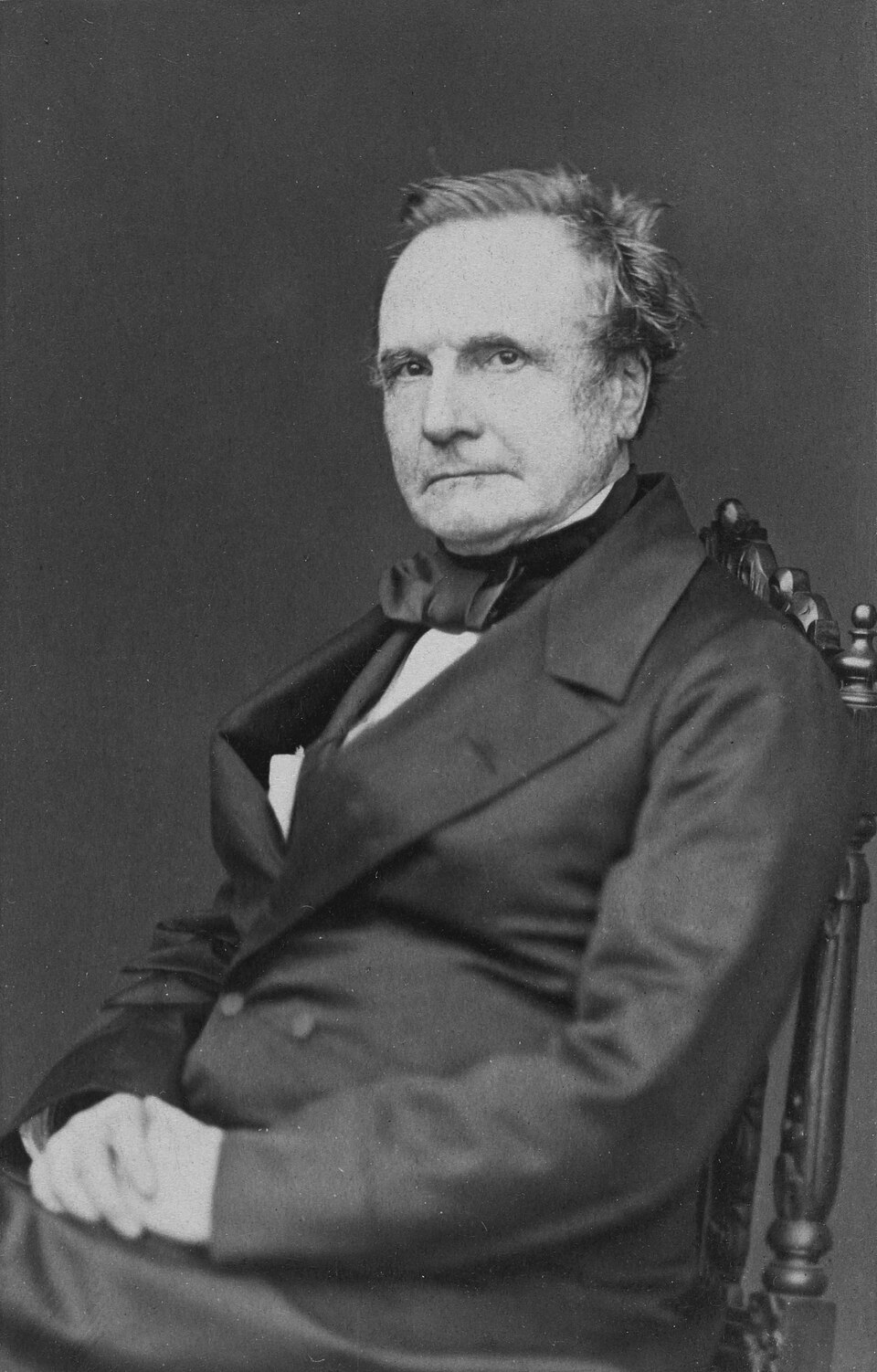
- Born
- 26 December 1791
- Died
- 18 October 1871
- Nationality
- British
- Known for
- The Difference Engine, The Analytical Engine
Charles Babbage designed a general-purpose computer in the nineteenth century, more than a hundred years before one could actually be built. A mathematician frustrated by the errors in the printed tables that engineers and navigators relied on, he set out to have machines do the calculating instead of people.
His first design, the Difference Engine, was a mechanical calculator for producing mathematical tables automatically. He never finished it, but the idea was sound, and a working version was later built from his plans and performs exactly as intended. His second design was far more ambitious. The Analytical Engine was to be a general-purpose machine, with a store to hold numbers, a mill to process them, and a way to feed in instructions on punched cards.
That structure, a memory and a processor driven by a program, is the structure of every computer today. Babbage never built the Analytical Engine, defeated by cost and the limits of Victorian engineering, and much of his work was overlooked for decades. It was rediscovered in the twentieth century, when the machines he imagined finally arrived.
Frequently asked
What did Charles Babbage invent?
He designed two mechanical computers, the Difference Engine, for calculating mathematical tables, and the Analytical Engine, a general-purpose machine with a store and a processing unit that anticipated the modern computer.
Did Charles Babbage build the Analytical Engine?
No. The Analytical Engine was never completed in his lifetime, partly because of the cost and the limits of Victorian engineering. A working section of the Difference Engine was built much later from his designs and runs correctly.
Why is Babbage called the father of the computer?
His Analytical Engine set out the parts of a general-purpose computer, a memory and a processor controlled by instructions, more than a hundred years before electronic computers existed.